

Main Contractors:
MEP scope you can price, build, and control - with fewer surprises.
F8 helps main contractors reduce MEP risk by tightening scope, improving BIM coordination, and using BIM-led validation and 4D modelling to keep cost, progress, and change under strict control.
You’re probably carrying risk that should have been resolved earlier
Most contractor pain comes from uncertainty — the kind that hides inside early design and tender stages, only to surface once you’re already committed. F8 helps turn uncertainty into defined scope, and defined scope into better delivery and commercial control.
We will help you avoid:
Incomplete or inconsistent information that leaves too much open to interpretation.
Design and services that don’t fully align, creating clashes and scope gaps.
Commercial pressures to “make it work” on site, even when the foundations aren’t clear.
Who we work with
We partner with the people who shape, price, and deliver complex projects, the ones who feel the pressure when scope shifts or information gaps appear.
Bid and pre‑construction teams who need clarity early.
Design managers and BIM leads driving coordination.
Commercial teams managing cost and risk.
Project teams who need firm control of scope, progress, and change.
The risks we remove for the Main Contractors
Most schemes look sound on paper, until the real constraints arrive and test every assumption. We bring those pressures into view early, so design, cost, and delivery decisions are made with full visibility and fewer surprises.
Under-defined MEP packages
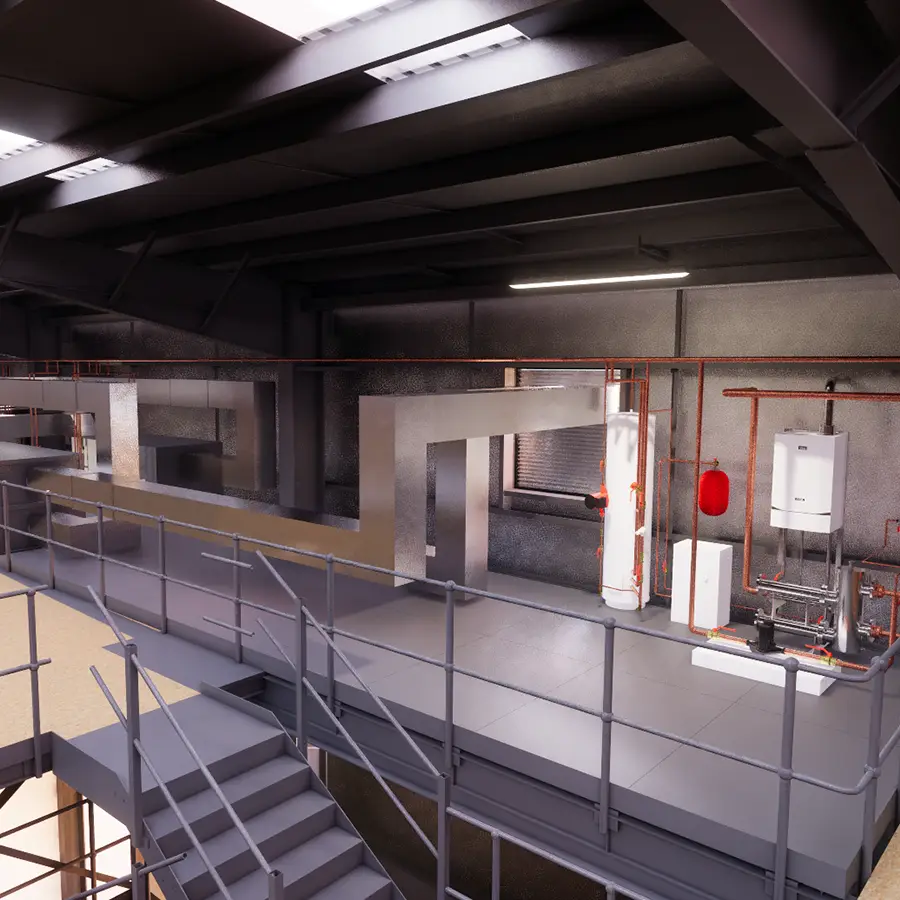
Too often, MEP scope lacks clarity until it’s too late - leading to design drift, overlapping responsibilities, and a stream of costly change downstream.

Tender returns that aren’t comparable
When every bidder prices a different version of the job, comparison becomes guesswork - leaving hidden scope, uneven risk, and shaky commercial footing from day one.
Coordination gaps
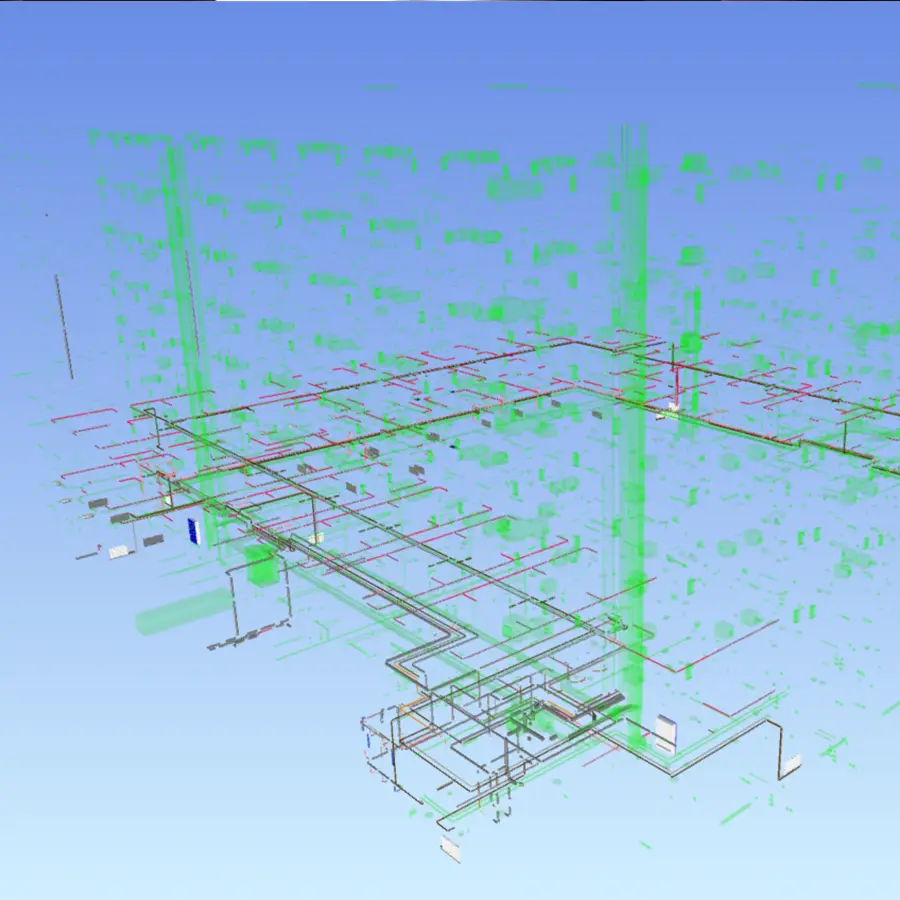
Misaligned drawings and late design updates create clashes that ripple through delivery - generating RFIs, rework, and programme drag that nobody budgeted for.
Margin erosion and valuation disputes
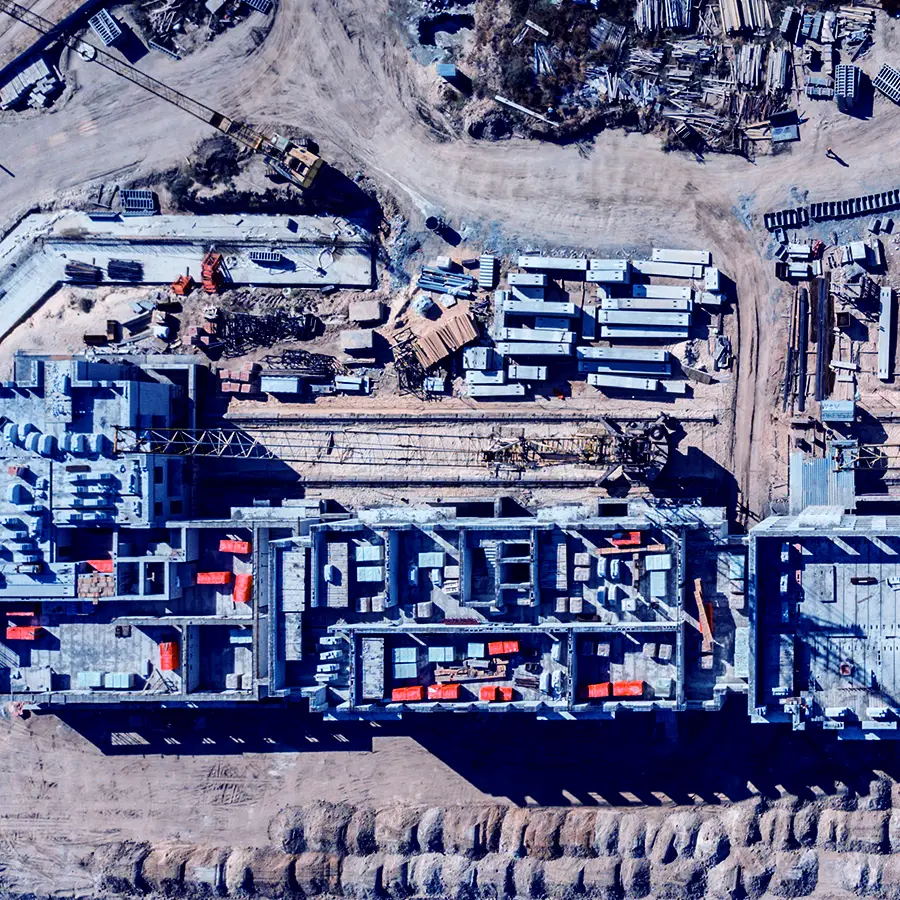
When change, scope creep, and unclear responsibility go untracked, margin slips away and entitlement becomes hard to prove - leaving valuations open to challenge and profit tied up in dispute.
Scope made visible
Projects where MEP clarity changed the outcome



How we help Main Contractors
Six ways to de-risk your scheme from concept to completion.
Prove scheme viability pre-planning
Stress-test early options against technical cost drivers.
Surface scheme killers early - plant space, servicing strategy, routing, ventilation, compliance pinch points.
Show trade-offs that affect appraisal, not just engineering neatness.
Outcome: fewer false starts and fewer schemes that fail late after fees and time have been spent
De-risk tender returns
Improve scope clarity so tenders are more like-for-like.
Reduce assumption pricing by making requirements more measurable.
Support technical and commercial validation so surprises are less likely post-award.
Outcome: better cost predictability and fewer disputes.
Protect programme and timeline to income
Reduce technical deliverability and compliance risk.
Build a more credible route from concept to deliverable design.
Remove late discoveries that trigger redesign or scope shifts.
Outcome: fewer surprises that push income out.
5. Improve lettability and comfort
dentify what genuinely affects comfort and perceived quality.
Show what delivers uplift, and what is just cost.
Protect intent by reducing late-stage compromises.
Outcome: a stronger chance of hitting rent and exit assumptions without uncontrolled spec creep.
Control capex and prevent change-led drift
Tighten scope early so cost plans reflect what will be built.
Support option decisions with clear consequences, not guesswork.
Resolve key constraints before the design is locked.
Outcome: fewer cost shocks and fewer value engineering cycles.
Reduce operational cost and obsolescence risk
Model and verify performance in a way that supports investment confidence.
Reduce risk of underperformance and future remedial spend.
Provide evidence for compliance and future-proofing conversations.
Outcome: fewer operational surprises and a stronger long-term value story.
Where clarity happens
Real projects, real constraints, real outcomes.



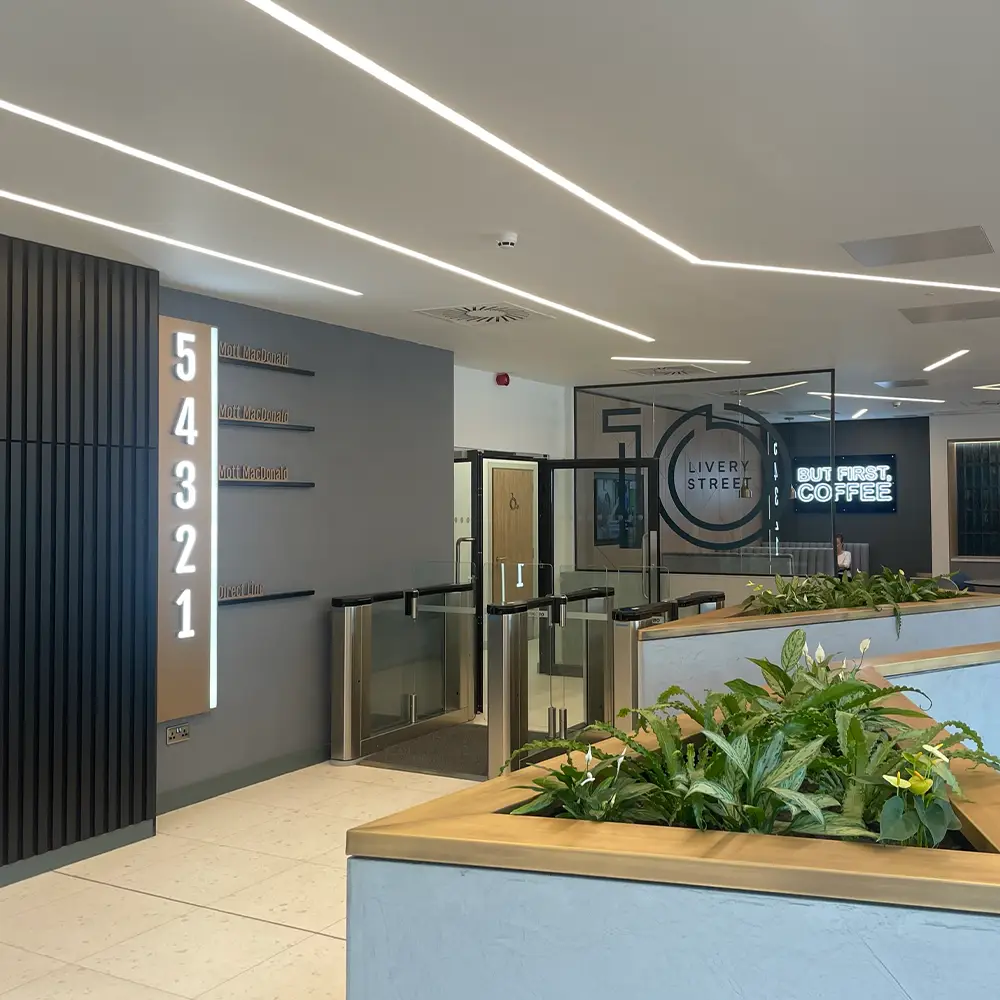
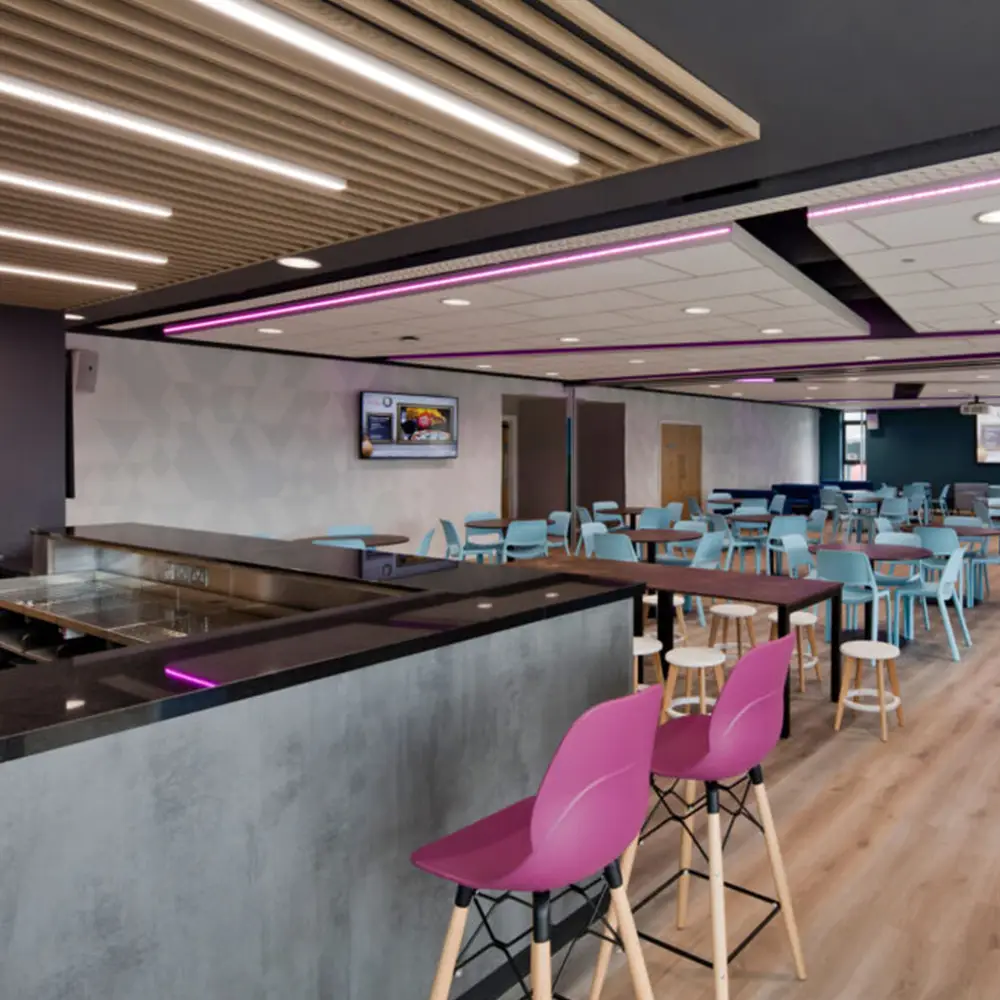
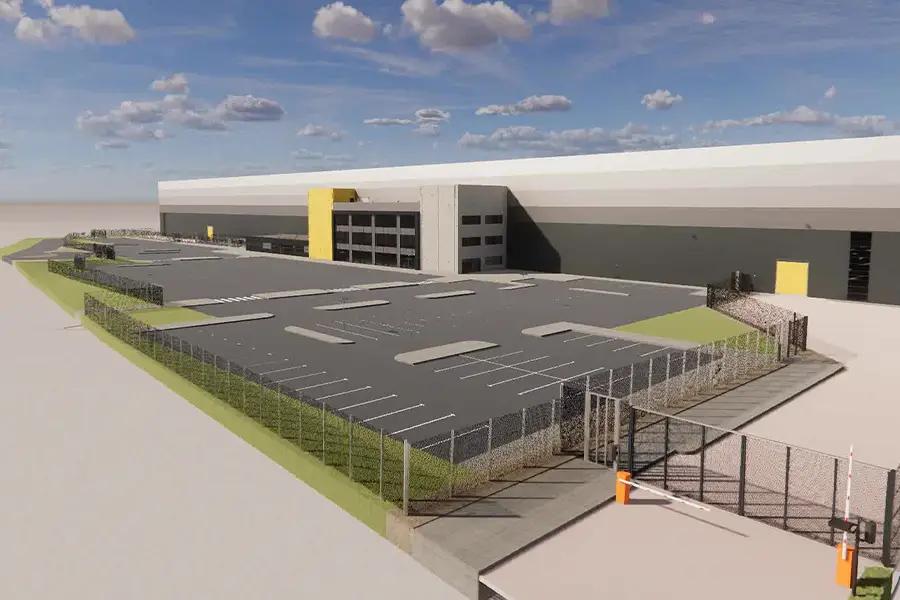
Typical moments we get called
Planning stage
Before planning submission when the services strategy is still flexible.
Tight appraisals
When the appraisal is tight and you need to test options quickly.
Before tender
Before tender when scope clarity affects pricing confidence.
High programme risk
When programme risk is high and redesign loops are starting.
What we need from you
What happens next?
Review meeting - we look at where you are, what you need to protect, and what information is available.
Short proposal - scope, outputs, programme, and fee.
First outputs - fast clarity first, then staged support if needed.
A brief and current project stage
Tell us where you are and what you are trying to solve.

Drawings and key constraints
Share what you have, even if it is rough. Constraints matter more than polish.
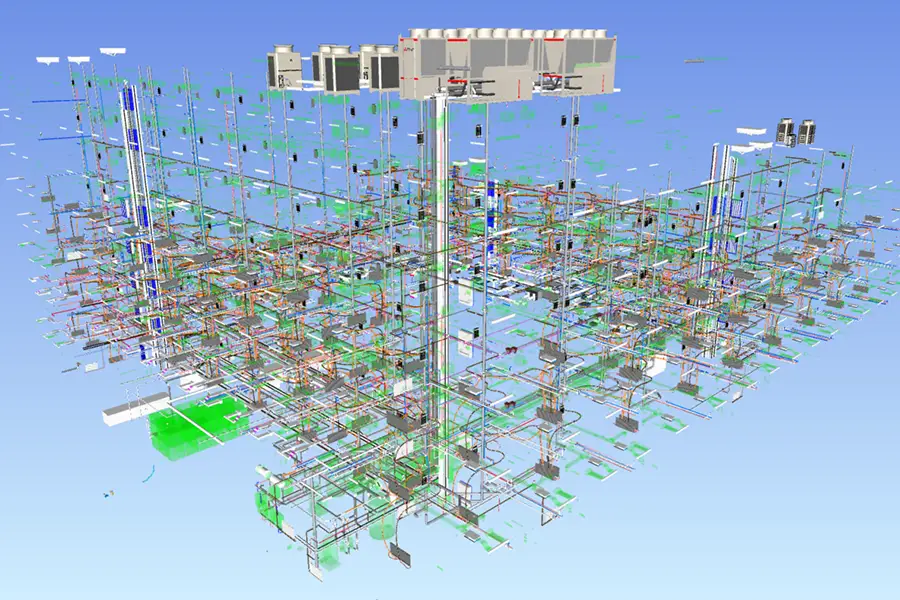
Model access if available
BIM models help us move faster, but they are not essential to start.

Cost plans or tender information
Any appraisal data or pricing assumptions you have already made.
Ready to talk?
Tell us your role, what stage you're at, and what you need to protect
Need more detail?
Explore how F8 works across design, delivery, and operation with our full approach
Rob's thermal modelling and risk analysis help us identify key issues early and strengthen our offer to the client. His forensic interrogation of design identifies cost-effective alternatives without compromising performance. His approach goes well beyond that of major consultancy practices, and the fact that this service is offered on a shared risk/reward basis speaks volumes about their commitment to delivering true value.
Rob has been a consistent and trusted partner throughout our tender processes as we grew from a £100m to a £1bn contractor. His ability to identify risks early, propose practical solutions, and deliver value engineering options has given us a competitive edge, both commercially and technically. I would not hesitate to recommend Rob and the team to any contractor looking to strengthen their technical offering at bid stage.
I urge you to give the team some serious consideration. Their service transcends a simple market test. More than any individual M&E consultant, they will thoroughly poke your design proposals to eek out best value.