
Project Managers:
Prove the scheme is viable and deliverable before you commit serious time and money.
F8 helps project managers avoid nasty surprises by de-risking building performance, MEP scope, cost and programme drivers early so you can back the right scheme, protect programme, and defend income.
You’re probably carrying risk that should have been resolved earlier
Most project management pain comes from uncertainty, the kind that hides inside early design and tender stages, only to surface once you’re already committed. F8 helps turn uncertainty into defined scope, and defined scope into better delivery and commercial control.
We will help you avoid:
Incomplete or inconsistent information that leaves too much open to interpretation.
Design and services that don’t fully align, creating clashes and scope gaps.
Commercial pressures to “make it work” on site, even when the foundations aren’t clear.
The Project Management risks we remove
Most schemes look sound on paper until the real constraints arrive. We surface what matters early.
Design and cost misalignment
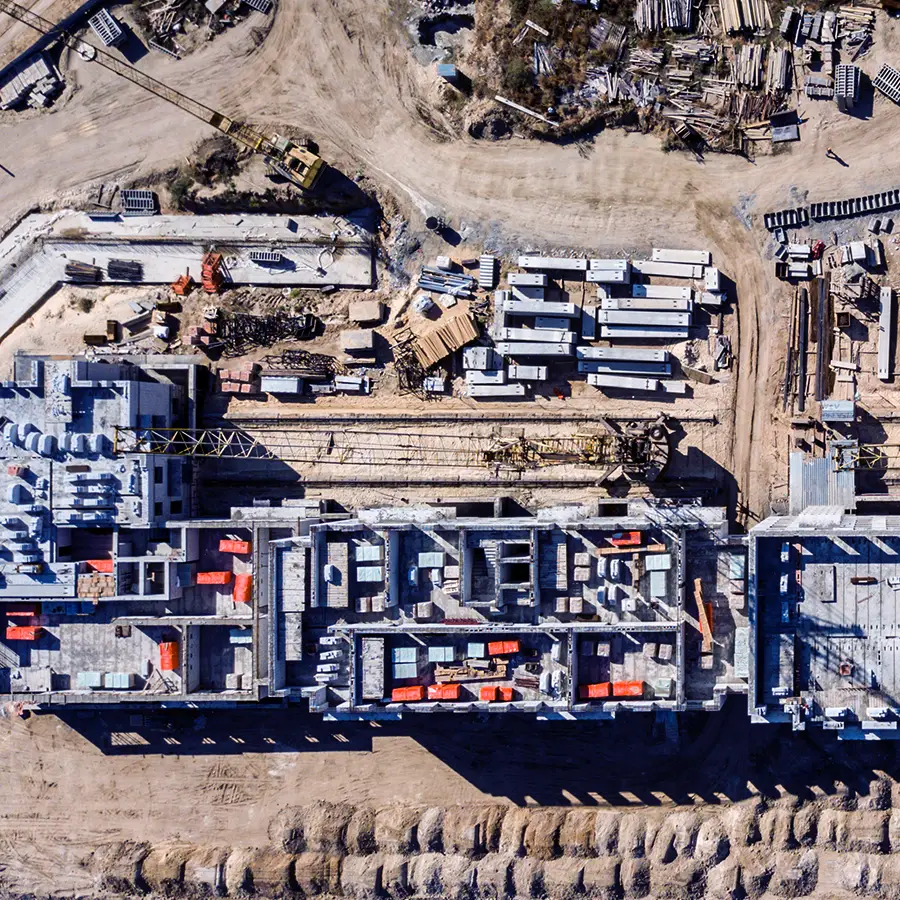
Budgets are often set before the real implications of performance targets are understood. Plant space, riser capacity, servicing routes, ventilation strategy and infrastructure requirements can all affect cost once the design develops.
When these are discovered late, the cost plan and design intent quickly drift apart.

Programme risk
Coordination issues between architecture, structure and MEP services often appear after the design is already advanced. Late discoveries around plant locations, routing constraints or compliance requirements trigger redesign and slow progress, putting programme certainty under pressure.

Tender uncertainty
When scope is not clearly defined, contractors price different interpretations of the same package. Assumptions fill the gaps, leading to wide tender returns and making it difficult to compare bids with confidence.
Change exposure and performance gap
When scope is loosely defined, interpretation fills the gaps during construction. Variations, redesign and scope clarification then become part of the delivery process, increasing commercial pressure and making change control harder to manage. The same lack of definition often continues into operation, where buildings are expected to meet energy and comfort targets but performance is rarely verified in use.
Without monitoring and feedback, issues remain hidden and the building may operate very differently from what was intended.
5 step to reduce risk for project management Professionals
Projects that start with clarity finish with fewer surprises. These are the patterns we see across the schemes we shape.
months saved on average through early coordination
cost certainty improvement from concept to tender
1. Inception
Project managers are brought in to deliver. But too often they inherit unclear scope, shifting priorities and delivery plans that don’t stand up under pressure.
When projects start to drift, it’s not a lack of effort, it’s a lack of structure. We step in to diagnose what’s not working, bring clarity to the problem, and help get delivery back on track.
Insight into the impact of building performance targets on project budgets and design
Input into MEP budgets based on real time project data and experience
Outcome: insights into current building performance trends, up to date and real time MEP cost input.
2. Concept
We use the latest parametric modelling techniques to optimise the building design to demonstrate the most cost-effective approach to achieve the clients desired performance outcomes.
Multiple options are considered and presented from a performance, design and cost perspective to allow informed decisions by the client and design team based on reality.
MEP plant and riser requirements are understood at an earlier stage with greater accuracy
Outcome: Building performance and MEP cost certainty are typically within +/-20% at Concept. Our standard design process delivers value engineering at Concept (typically 5–10% less to build, 20–30% more efficient), no programme delays due to redesign to meet budget, and no budget surprises in design and tender.
3. Design
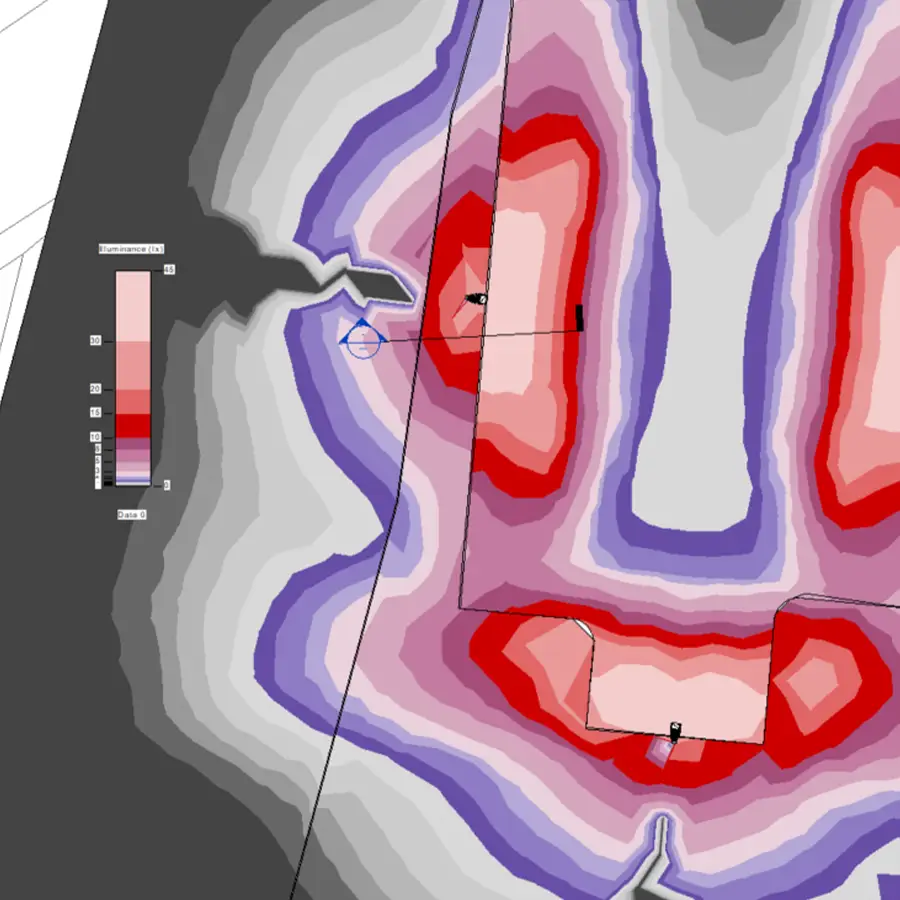
Operational energy and comfort models guide design development
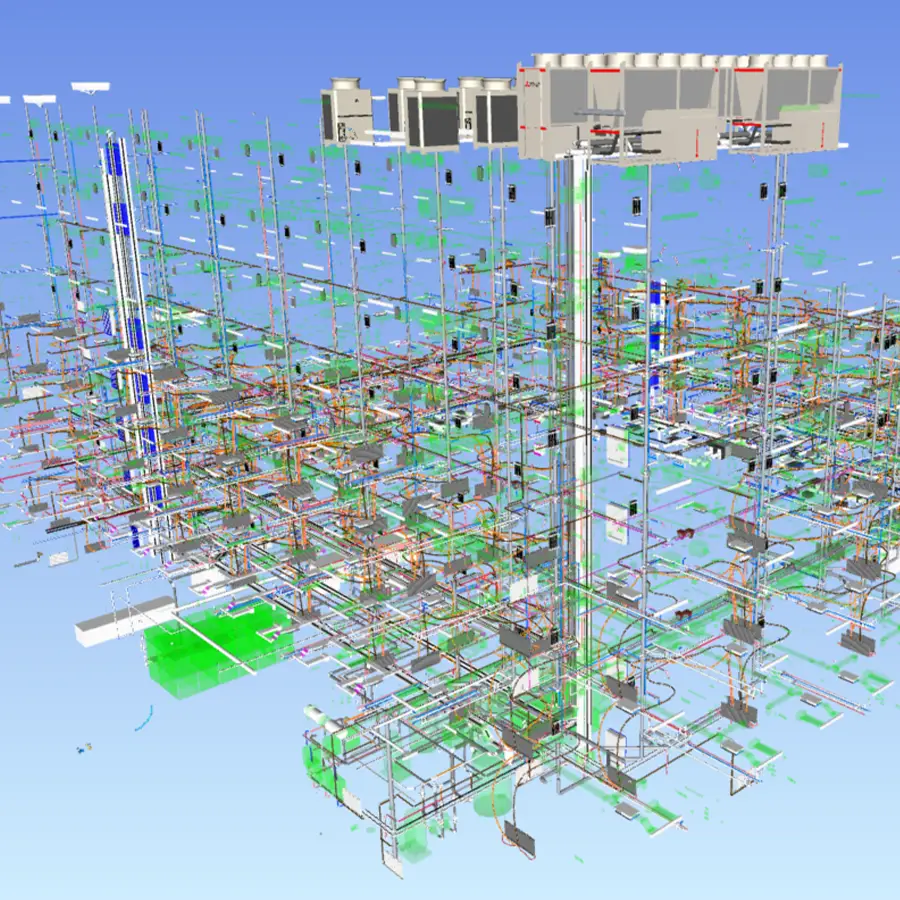
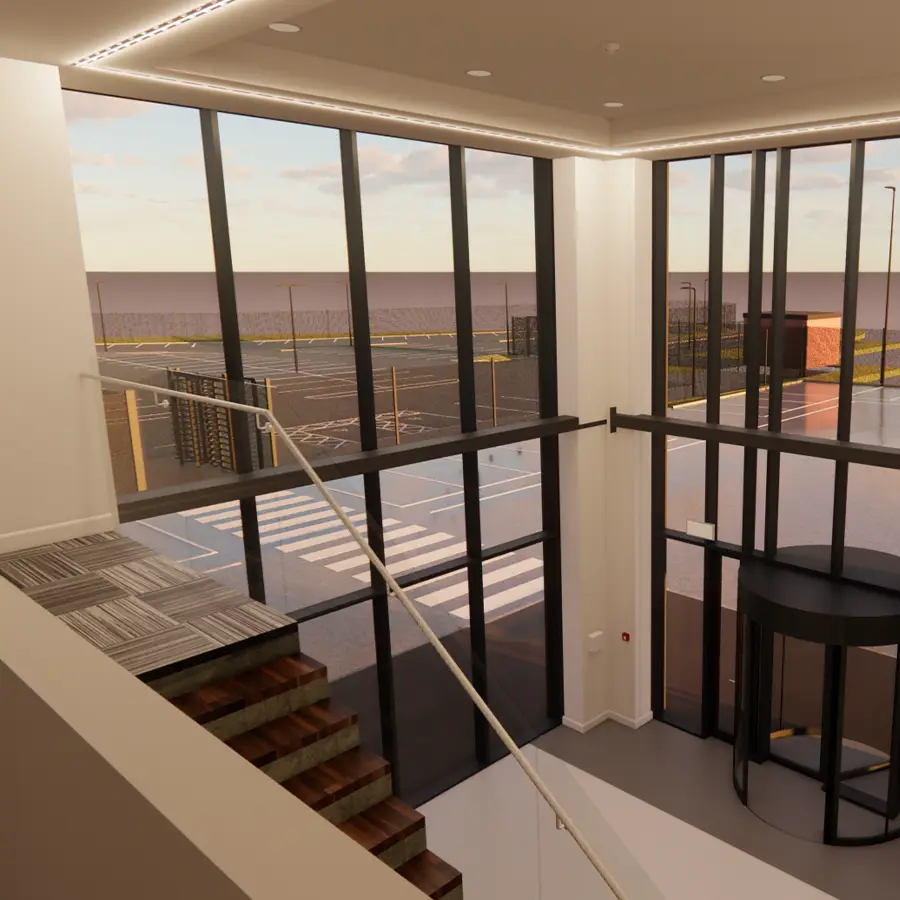
Greater MEP cost certainty at concept stage allows detailed MEP design to move faster, working in the 3D BIM environment allows us to keep pace with the design team in real time.
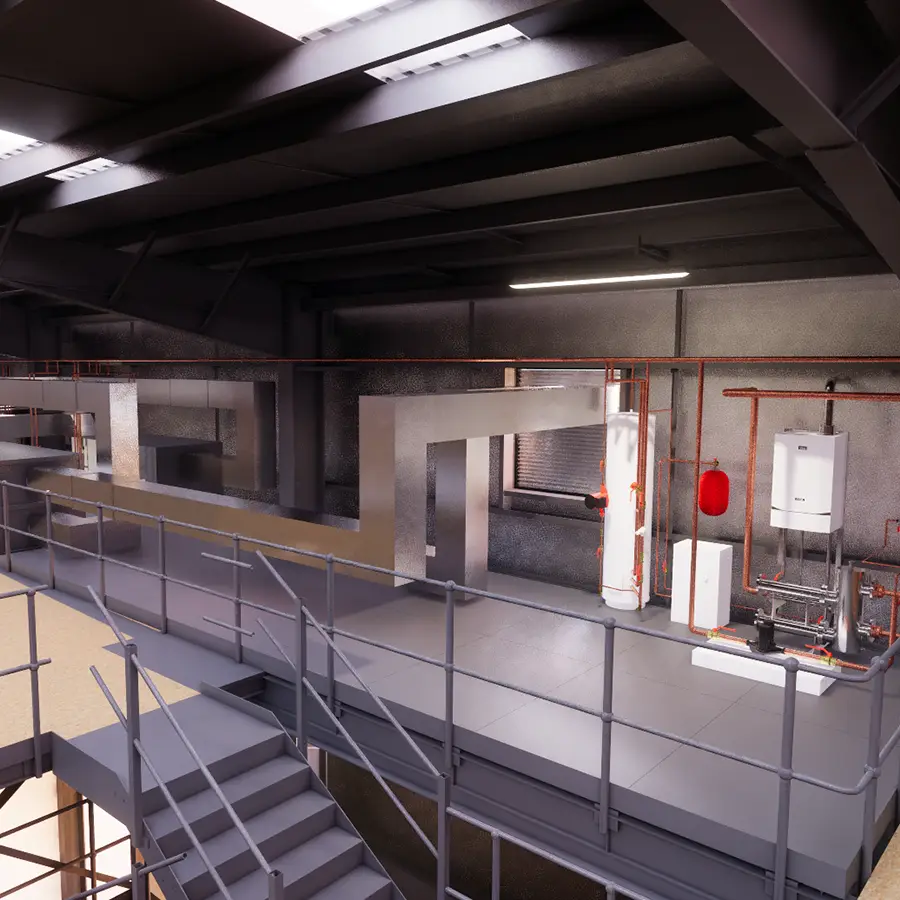
Fully coordinated and detailed MEP design is delivered earlier in the programme
Detailed schematics, calculations and schedules allow time for detailed costing and programme planning
Outcome: Advanced technical MEP design, faster MEO design delivery programme, fewer MEP clashes.
4. Tender
Design, cost and time are integrated to give greater certainty
Detailed predicted operational energy model to measure in use performance against design intent
Fully designed and coordinated MEP design gives clarity of requirements, so intent is not lost in interpretation
Most project managers inherit uncertainty from earlier stages and carry it through delivery. F8 connects building physics, MEP expertise, BIM coordination, and in-use monitoring, so you're not managing guesswork; you're managing evidence.
5. In-use feedback
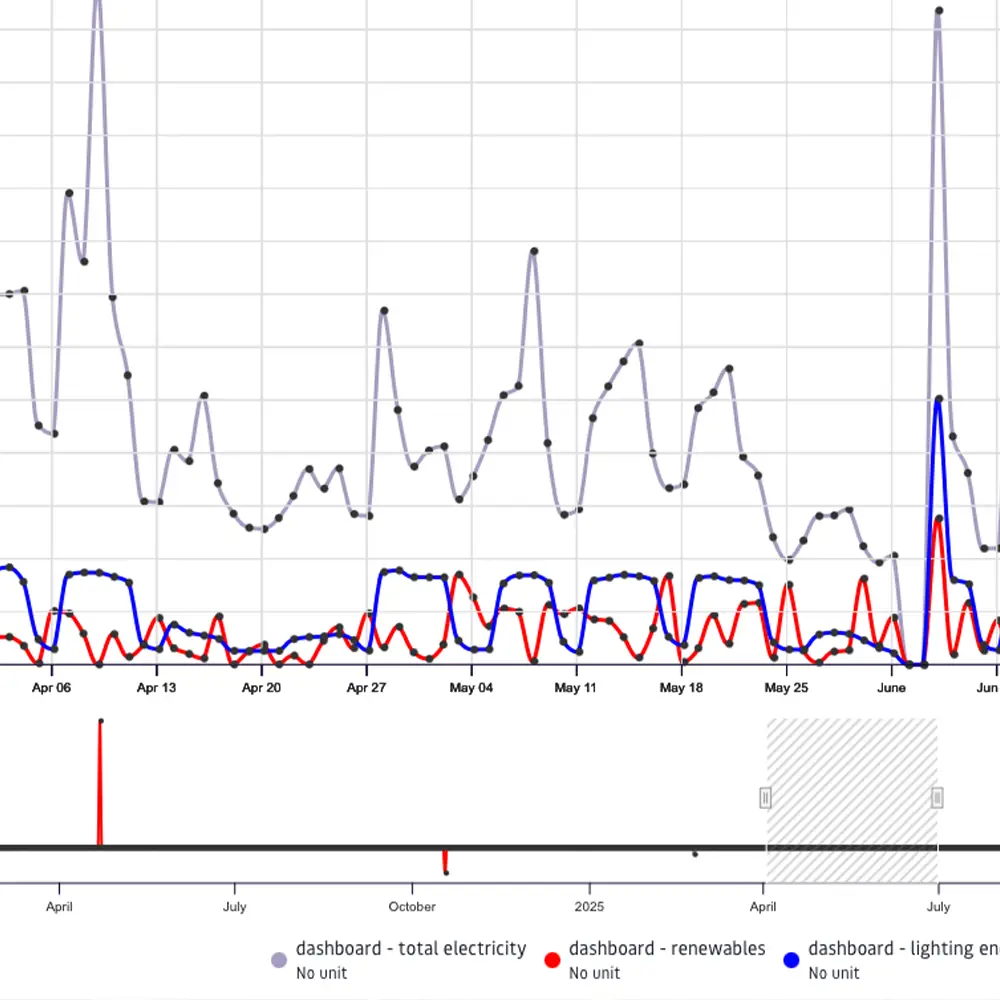
We monitor the building energy performance for 3 years post completion, compare this back design stage predictions and provide feedback on performance against design, and provide insights in how
to optimise the performance.
We visit site and undertake post occupancy reviews with building users to gain insights on how the building is working and how they use it, feedback the findings
RICS MEP Cost Pan 3 and bill of quantities allows full evaluation of tender returns and identification of discrepancies
Outcome: smaller building performance gap, greater occupant feedback and buy-in, better feedback loop for better operation and future designs.
The moments when F8 makes the biggest difference
Timing matters. Bringing clarity early means decisions can still change direction without cost or delay. We work best when there's still room to move.
When budgets need testing against reality
When MEP strategy still shapes the deal
When scope clarity prevents late surprises

Where F8 delivers the clearest value for project managers
The best time to bring in clarity is when decisions can still shift without penalty. We work hardest when there's room to move and scope remains flexible enough to absorb what we find.
When cost assumptions need testing against real constraints
When design coordination gaps could still derail the programme
When scope definition prevents late-stage commercial disputes
"The difference between a scheme that lands on time and one that slips is usually made before the first brick is laid. We help you build that certainty into your plan".
When bringing in F8 adds the most value for Project Managers
Early testing
When performance targets first need to be tested against budget reality.
Strategy forming
When MEP and energy decisions still shape the commercial case.
Scope clarity
Before design locks in and coordination issues start to hit programme confidence.
Tender readiness
When clear scope will decide whether contractors price with confidence or defensively.
Performance proof
When you need evidence the building will perform as promised, post‑completion.
What we need from you
What happens next?
Review meeting - we look at where you are, what you need to protect, and what information is available.
Short proposal - scope, outputs, programme, and fee.
First outputs - fast clarity first, then staged support if needed.
A brief and current project stage
Tell us where you are and what you are trying to solve.

Drawings and key constraints
Share what you have, even if it is rough. Constraints matter more than polish.
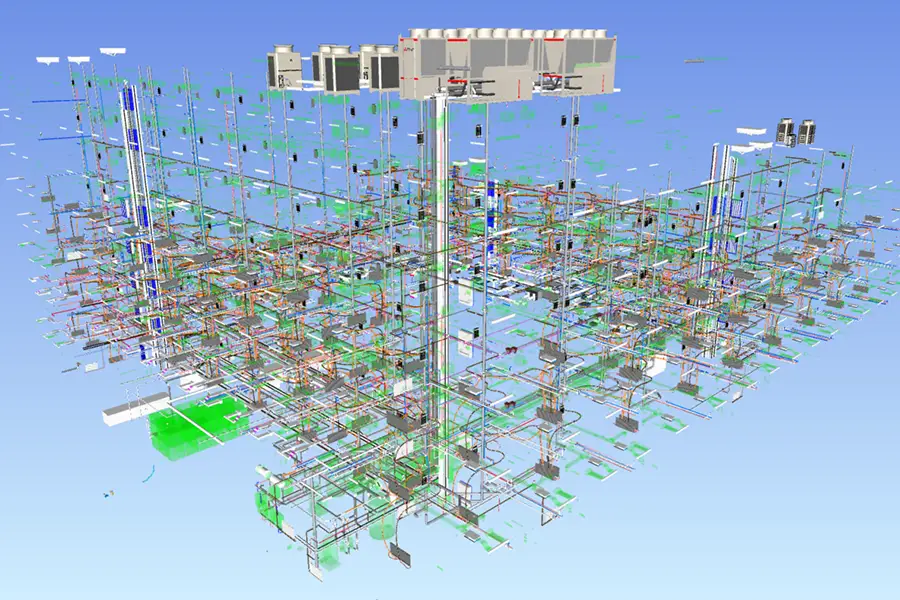
Model access if available
BIM models help us move faster, but they are not essential to start.

Cost plans or tender information
Any appraisal data or pricing assumptions you have already made.
Ready to talk?
Tell us your role, what stage you're at, and what you need to protect
Need more detail?
Explore how F8 works across design, delivery, and operation with our full approach
Rob's thermal modelling and risk analysis help us identify key issues early and strengthen our offer to the client. His forensic interrogation of design identifies cost-effective alternatives without compromising performance. His approach goes well beyond that of major consultancy practices, and the fact that this service is offered on a shared risk/reward basis speaks volumes about their commitment to delivering true value.
Rob has been a consistent and trusted partner throughout our tender processes as we grew from a £100m to a £1bn contractor. His ability to identify risks early, propose practical solutions, and deliver value engineering options has given us a competitive edge, both commercially and technically. I would not hesitate to recommend Rob and the team to any contractor looking to strengthen their technical offering at bid stage.
I urge you to give the team some serious consideration. Their service transcends a simple market test. More than any individual M&E consultant, they will thoroughly poke your design proposals to eek out best value.